
Travel · Domingo Sáez Romero
Travel: how I went from avoiding trips to planning meaningful journeys for less
There was a time when travelling simply was not my thing. As a child, I preferred staying home, calm and unhurried, far from excursions and constant movement. Life, however, took several turns, and little by little travel became one of the great passions shaping the way I live, observe and create.
THE BEGINNING
When travel stopped being an obligation and became freedom
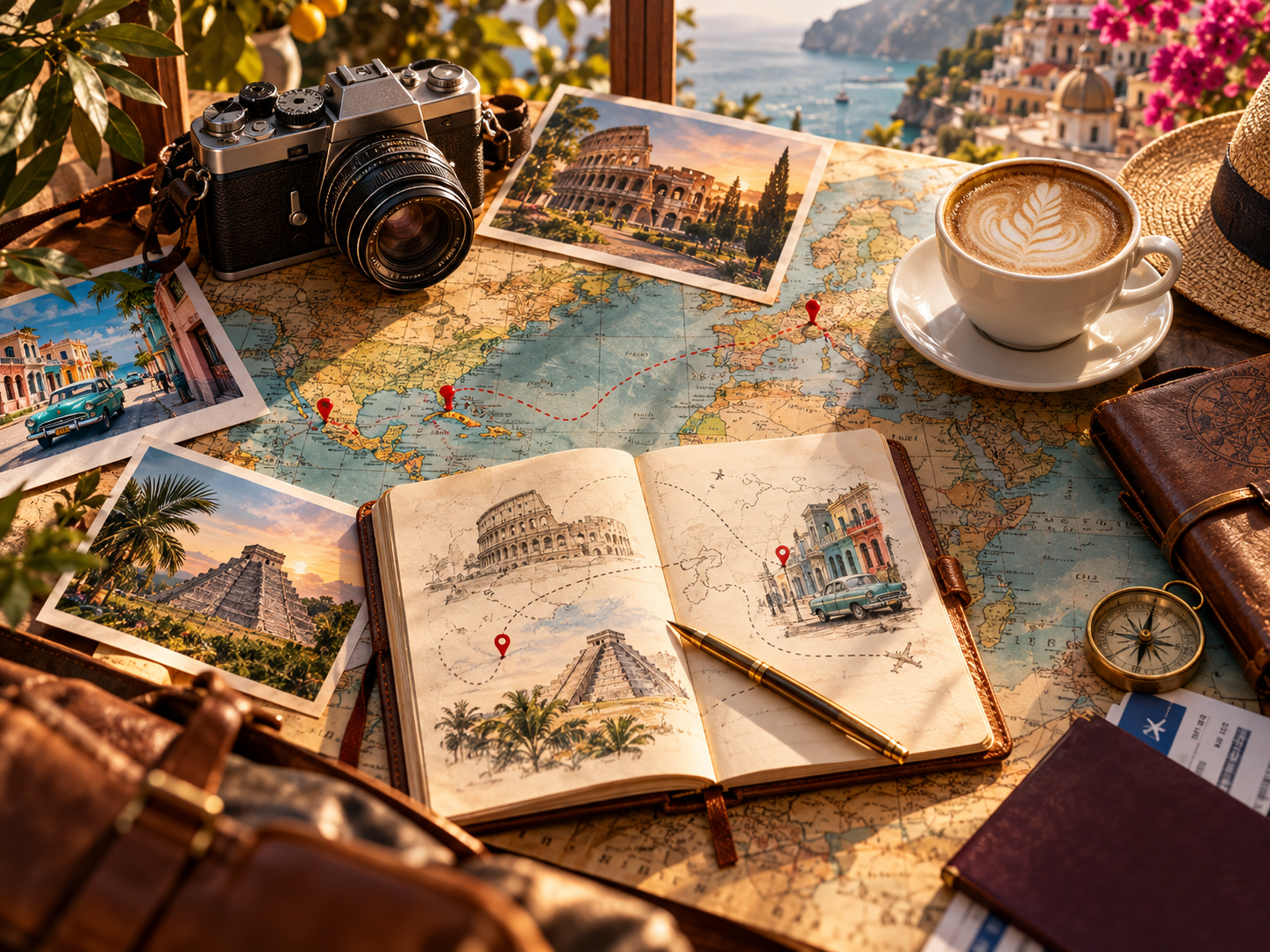
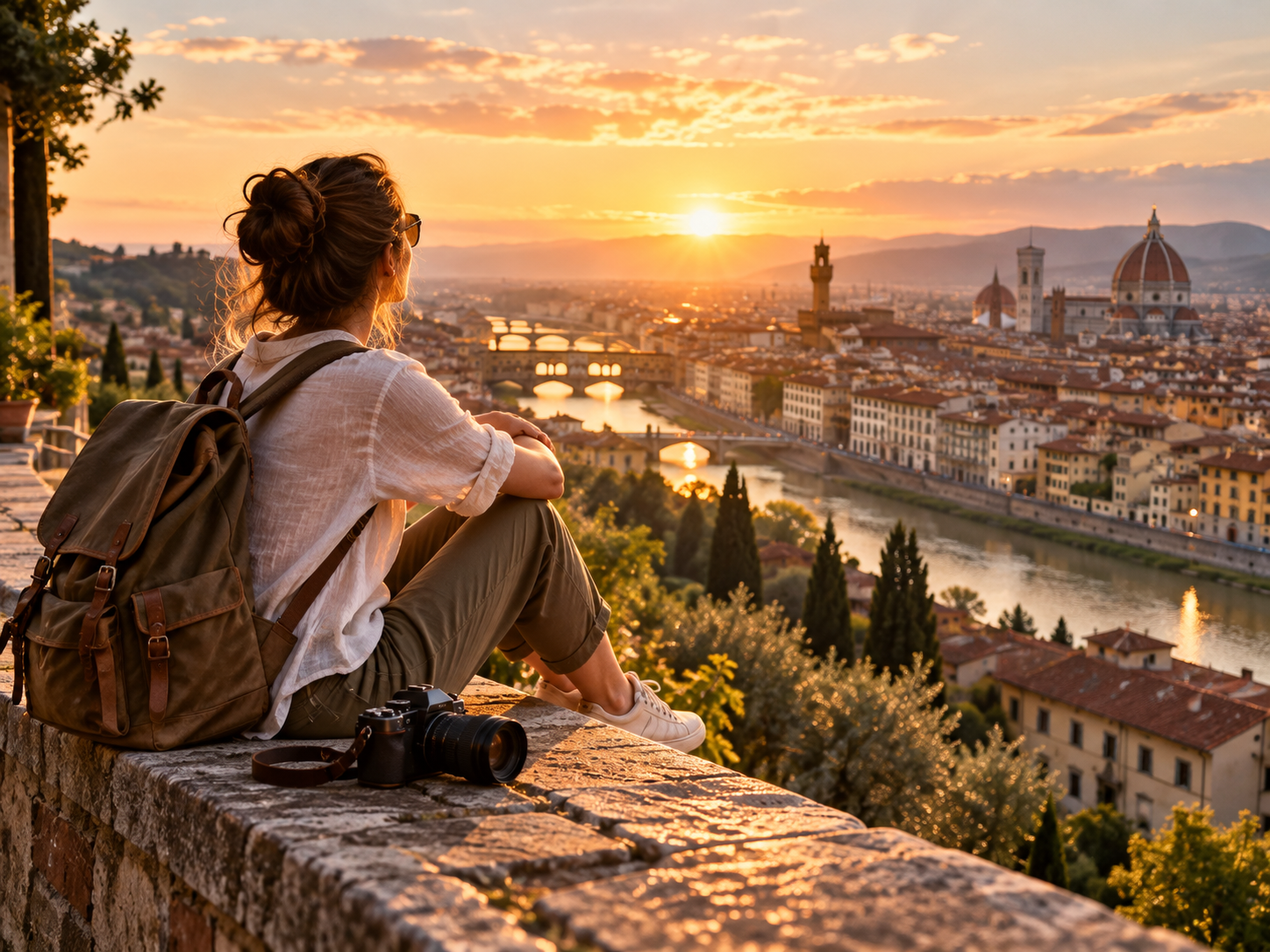
What changed was not a single destination but the way I experienced it. My first big leap was Italy, and for the first time I travelled alone. Getting on that plane without depending on anyone else changed everything: I discovered that solo travel had a special kind of freedom, a calm rhythm and a way of making every decision feel genuinely mine.
Soon afterwards came Cuba. I travelled with a friend, enjoyed it, and still realised that the experience was different. That journey confirmed something important for me: travelling is not only about the place, but also about the attitude with which you experience it. Since then, I have learned to value each format for what it offers, but it was solo travel that truly awakened my curiosity for the world.
Mexico, and especially the Riviera Maya, marked another turning point. There I felt how travel could connect emotion, culture, landscape and personal transformation. From that moment on, the passion no longer had an on-and-off switch. It became part of my identity.
Travelling changed me because it taught me that freedom is also something you can learn to plan.
Milestones that shaped my way of travelling
Each trip gave me something different: perspective, confidence, practical skill or a new emotional connection with the world.
Italy: the first great leap
My first real turning point. Travelling alone taught me to trust myself, decide at my own pace and enjoy the destination without noise around me.
Cuba: the confirmation
A beautiful journey, but also the moment when I understood that good company matters and that travelling solo and travelling with others are two very different experiences.
Mexico: fascination becomes purpose
The Riviera Maya, pre-Columbian echoes, cenotes, ruins and Caribbean light made me feel that travel could also be memory, culture and visual inspiration.
Learning to travel for less
Meeting an experienced traveller showed me that a good trip is not always the most expensive one. Method, flexibility and planning can completely change the budget.
SMARTER TRAVEL
How I learned to travel cheaper without travelling worse
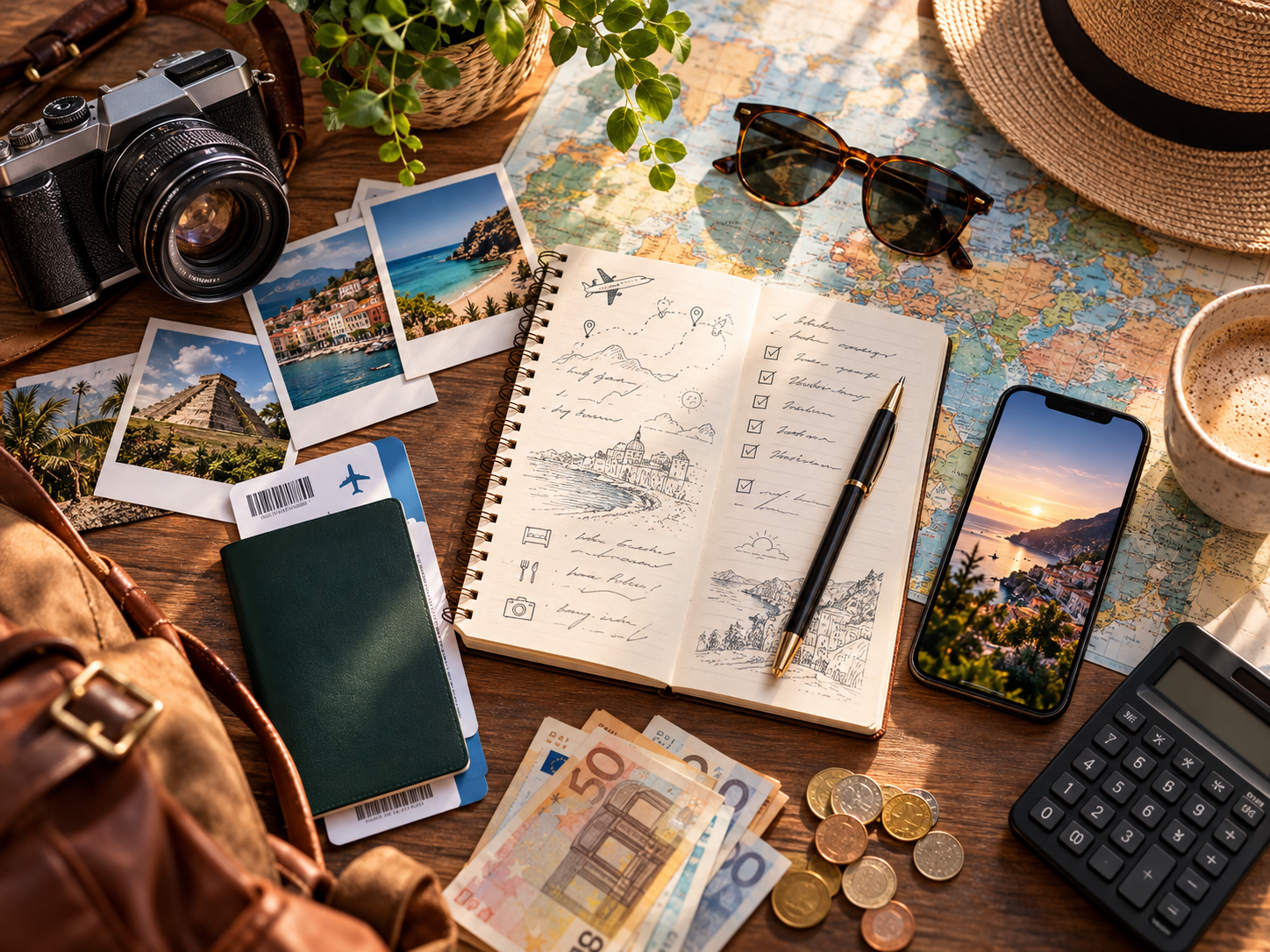
One of the most important lessons came when I discovered that travelling well and travelling expensively are not the same thing. Comparing flight options, being flexible with dates, choosing practical accommodation, understanding what really matters on each trip and booking with strategy opened the door to a much more efficient way of travelling.
I began studying routes, comparing websites, checking what was actually worth paying for and what was not, and organising my itineraries in a more rational way. That process not only helped me save money, it also made me enjoy the planning itself. Little by little I moved from improvisation to intention.
Today I design trips with a very clear mindset: spend better, not simply spend less. The goal is to create memorable journeys, realistic routes and a budget that works in favour of the experience rather than against it.
The principles that guide my affordable-travel planning
These are some of the ideas that have helped me reduce costs while improving the quality and coherence of each journey.
Flexibility with dates and routes
Even small changes in departure day, return day or airport can reduce the total cost significantly.
Compare, then book with purpose
I use comparison to understand the market, but I book only when the option truly fits the trip I want to create.
Pay for what adds value
Not every extra is worth it. I prefer to invest in location, timing, light and experience rather than paying for comfort I will barely use.
Build realistic itineraries
A good trip is not a race. Grouping areas, reducing unnecessary transfers and respecting actual travel times makes the whole journey better.
Travel light and think ahead
Luggage, local transport and small logistics can quietly increase the budget. Planning them early helps avoid waste.
Leave room for what matters
Saving money only makes sense if it gives you space to enjoy the destination more deeply, calmly and authentically.
FOUR WAYS OF TRAVELLING
Four ways of travelling, four different perspectives
Over time I realised that travel is not one single experience. The way you travel changes what you feel, what you notice and what you remember.
Solo travel
Perfect for introspection, freedom and personal rhythm. It is where I learned the most about independence, observation and confidence.
Travel with friends
It brings energy, shared laughter and collective memories. It also teaches flexibility and how to balance different expectations.
Travel with family
Family trips create a different emotional bond. They are about shared time, emotional roots and memories that last for years.
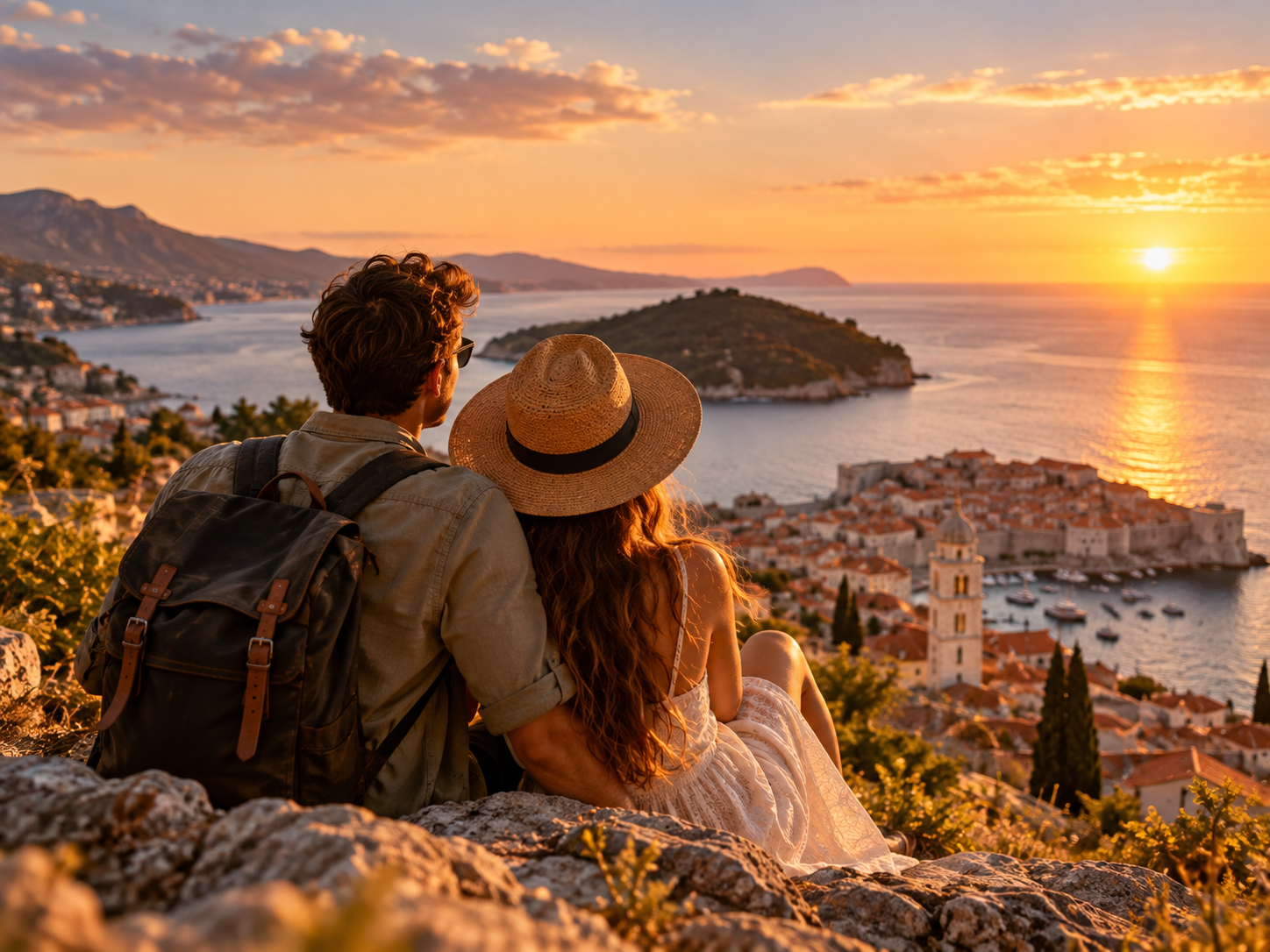
Travel as a couple
Travelling as a couple adds complicity, romance and another layer of emotional discovery. It is a different way of seeing the same world.
TRAVEL + PHOTOGRAPHY
Travel eventually became photography, planning and storytelling
As I travelled more, I also began to look differently. Places were no longer just destinations; they became stories, light, atmosphere and photographs. That is one of the reasons why travel, photography and my creative work are so closely connected today.
What I learned while planning better trips now feeds other parts of my work as well: travel photography, route design, visual storytelling and the ability to turn lived experience into useful content for others.
Frequently asked questions about my way of travelling
How did you start travelling if you did not even like it at first?
By experience rather than theory. My first solo trips completely changed my perception because they gave me freedom, curiosity and a sense of personal discovery.
What made the biggest difference in learning to travel cheaper?
Understanding that planning is not a burden but a tool. Flexibility, comparison, realistic routes and knowing what is worth paying for can transform the budget.
Do you prefer travelling alone or with company?
Each style gives me something valuable, but solo travel was the format that changed me the most and taught me how to observe and decide for myself.
How does travel connect with your photography?
Travelling taught me to observe atmosphere, light and detail. Photography became the natural way of preserving and sharing those experiences.
Travel is now part of how I create and how I live
This section is where I gather that evolution: how I started travelling, how I learned to do it more intelligently, and how each journey ended up shaping my photography, my itineraries and my way of seeing the world.
Discover how Domingo Sáez Romero began travelling, how he learned to organise cheaper trips and how travel connects with photography, route planning and lived experience.